

No products in the cart.
Return To Shop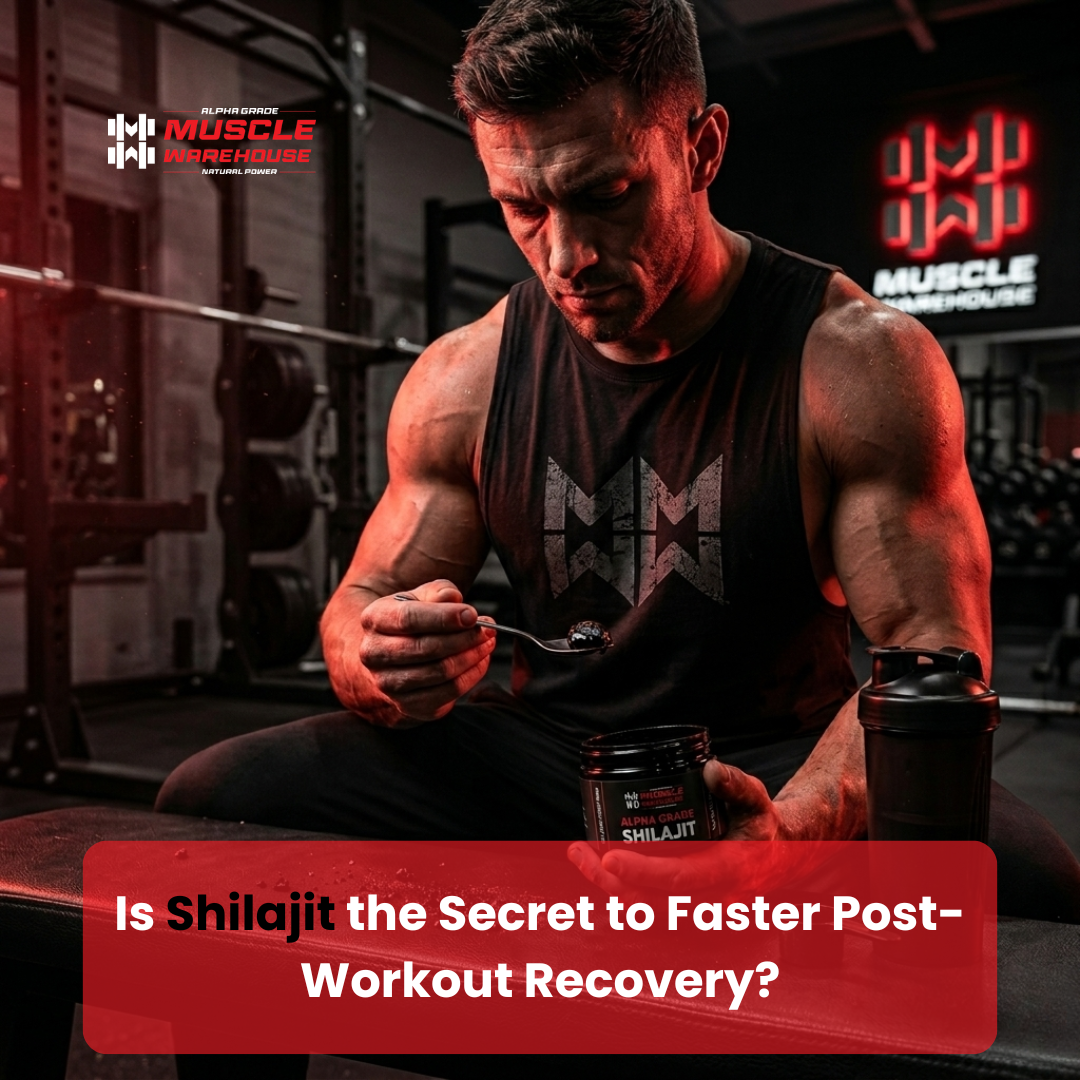
Is Shilajit the Secret to Faster Post-Workout Recovery?
Pure Shilajit post-workout recovery has become a growing topic in the fitness world, especially among gym users, athletes, and individuals focused on performance improvement. In modern training environments, recovery is no longer treated as a secondary factor. Instead, it is now considered a core part of muscle development, strength building, and long-term fitness progress.
When a person completes a long or intense gym session, the body undergoes physical stress. Muscles experience microscopic damage, energy stores get depleted, and the nervous system becomes fatigued. Because of this, recovery plays a critical role in rebuilding strength and preparing the body for the next session.
Shilajit has gained attention because it contains naturally occurring minerals and bioactive compounds that may support energy production, fatigue reduction, and post-exercise recovery processes. Moreover, its traditional use in Ayurveda for strength and vitality adds further interest in its modern fitness application.
*Introduction to Shilajit and Post-Workout Recovery*
Shilajit is a natural resin-like substance formed over centuries in high-altitude mountain ranges, mainly the Himalayas. It develops through the slow decomposition of plant matter combined with mineral compression.
As a result, it becomes rich in fulvic acid, humic substances, and more than 80 trace minerals. These compounds make it a unique natural supplement often associated with energy, stamina, and recovery support.
In fitness contexts, Shilajit post-workout recovery is discussed due to its potential role in helping the body manage exercise-related fatigue. Furthermore, recovery is not just about rest; it also involves replenishing nutrients, repairing muscle tissue, and restoring energy balance.
Because of increasing awareness in sports nutrition, many gym users now explore natural alternatives alongside traditional supplements. Consequently, Shilajit has become part of this growing trend.
*What Is Shilajit? Understanding Its Natural Composition*
Shilajit is a complex natural substance that contains both organic and inorganic components. It is sticky, dark brown to black in appearance, and usually found in rock crevices at high altitudes.
Its key components include:
• Fulvic acid (primary active compound)
• Humic acid
• Trace minerals such as zinc, magnesium, iron, potassium, and calcium
• Natural antioxidants
Because of this rich composition, Shilajit post-workout recovery is often linked to improved cellular energy processes and overall vitality support.
Traditionally, Ayurvedic systems used Shilajit to support strength, endurance, and longevity. In modern times, it is mostly consumed in resin, capsule, or powder form.
*How Muscle Recovery Works After Intense Gym Sessions*
To understand how Shilajit may support recovery, it is important to first understand what happens after a workout.
During strength training or intense cardio:
• Muscle fibres experience micro-tears
• Glycogen stores become depleted
• Lactic acid builds up temporarily
• The nervous system becomes fatigued
After training, the body enters a recovery phase. During this time:
• Muscle fibres repair and grow stronger
• Energy stores get replenished
• Inflammation reduces gradually
• Hormonal balance stabilises
However, if recovery is insufficient, it can lead to:
• Persistent soreness
• Reduced performance
• Higher injury risk
• Slower muscle growth
Therefore, supplements like Shilajit are often considered to support Shilajit post-workout recovery routines.
*Shilajit Post-Workout Recovery and Energy Restoration*
One of the most discussed aspects of Shilajit post-workout recovery is its potential role in energy restoration. Unlike stimulant-based supplements, Shilajit does not provide an instant energy spike.
Instead, it works gradually by supporting cellular energy production. The fulvic acid content is believed to assist mitochondria, which are responsible for generating energy inside cells.
When mitochondrial function is supported, the body may experience:
Better stamina during workouts
Reduced post-exercise fatigue
More stable energy levels throughout the day
Furthermore, consistent energy availability plays a major role in recovery efficiency. As a result, athletes often prefer supplements that support long-term energy balance rather than temporary stimulation.
*Key Ways Shilajit Supports Muscle Recovery*
*Supports Cellular Energy Production*
Shilajit may support mitochondrial function, which plays a direct role in energy creation. Consequently, this can help reduce post-workout exhaustion and improve recovery speed.
*Helps Reduce Fatigue After Exercise*
After long training sessions, fatigue is common due to depleted energy reserves. However, Shilajit post-workout recovery may support faster energy replenishment.
*Assists Nutrient Utilisation*
Fulvic acid may improve nutrient absorption in the digestive system. Therefore, proteins, amino acids, and minerals from food may be used more effectively.
*Supports Muscle Repair Process*
Trace minerals in Shilajit contribute to tissue repair functions. As a result, muscle recovery between sessions may feel smoother and more efficient.
*Helps Maintain Electrolyte Balance*
Sweating during workouts leads to mineral loss. Shilajit naturally contains essential minerals that may support electrolyte balance after exercise.
*Scientific Perspective on Shilajit Post-Workout Recovery*
Scientific interest in Shilajit has increased in recent years. Some studies suggest potential benefits related to:
• Improved mitochondrial energy production
• Better exercise endurance
• Reduced fatigue markers
Hormonal balance support
However, it is important to note that research is still limited and ongoing.
Despite this, fitness users report noticeable improvements in:
• Post-workout recovery speed
• Daily energy consistency
• Training endurance over time
Therefore, Shilajit post-workout recovery continues to gain attention in sports nutrition discussions.
*Shilajit vs Common Recovery Supplements*
*Protein Supplements*
Protein directly supports muscle repair. However, Shilajit focuses more on energy balance and mineral support.
*Creatine*
Creatine improves strength and power output. In contrast, Shilajit supports general recovery and stamina stability.
*BCAAs*
BCAAs reduce muscle breakdown during training. Meanwhile, Shilajit supports post-training energy restoration.
As a result, many athletes use Shilajit alongside these supplements rather than replacing them.
*Best Way to Use Shilajit for Post-Workout Recovery*
To support Shilajit post-workout recovery, correct usage is important.
Recommended approach:
• Take a rice-grain sized portion of resin
• Dissolve in warm water or warm milk
• Consume once daily consistently
Best timing options:
• Morning on an empty stomach
• Or after workout sessions
Additionally, hydration and balanced nutrition should always accompany supplementation.
Consistency plays a more important role than high dosage.
*Who Can Benefit from Shilajit Post-Workout Recovery Support?*
Shilajit may be suitable for:
• Gym beginners aiming for steady progress
• Bodybuilders focused on muscle recovery
• Endurance athletes like runners and cyclists
• Individuals with physically demanding routines
Moreover, people experiencing constant fatigue may also find it helpful.
However, product quality must always be prioritised for safe usage.
*Possible Side Effects and Safety Considerations*
Although Shilajit is natural, safety depends on purity and dosage.
Possible considerations include:
• Low-quality products may contain heavy metals
• Excess intake may cause digestive discomfort
• Not suitable for certain medical conditions without guidance
Therefore, always choose purified, lab-tested Shilajit from trusted sources.
Moderation ensures safe and effective Shilajit post-workout recovery usage.
*Real Fitness Experience with Shilajit*
In fitness communities, users often report:
• Improved energy stability during workouts
• Reduced muscle fatigue after training
• Faster recovery between sessions
• Better training consistency over weeks
Additionally, it is commonly used during cutting and bulking phases for overall performance support.
This growing adoption highlights the popularity of Shilajit post-workout recovery in modern gym culture
*Conclusion:*
Himalayan Shilajit post-workout recovery is not a quick fix solution. Instead, it works as a supportive natural supplement that may assist energy balance, mineral replenishment, and fatigue management.
When combined with proper training, nutrition, sleep, and hydration, it may contribute to better recovery efficiency and improved workout consistency.
Therefore, it can be considered a useful addition for individuals aiming to improve long-term fitness performance naturally.
If you want improved recovery, stronger stamina, and better workout consistency, then adding high-quality Shilajit to your routine may be a smart step. Choose a trusted, purified source today and support your fitness journey with natural recovery assistance that works alongside your training and nutrition plan.


Related posts

It is becoming a popular topic among professionals who want better concentration, mental clarity, and sustained productivity. In today’s fast-paced work environment, many people struggle... Continue reading

drops vs capsules vs gummies which is better is a common question for people choosing supplements for daily health, energy, and nutrition. Each form has... Continue reading

Travelling with supplements has become common across the UK, especially among people focused on daily wellness and energy support. However, many travellers still ask one... Continue reading
Introduction What Makes Alpha Grade Shilajit Different from Regular Resin is one of the most important questions buyers ask in 2026 because the Shilajit market... Continue reading

Are You Storing Pure Shilajit Drops Wrong in UK Weather? This is a critical question because most users do not realise that storage conditions directly... Continue reading